
Sport is becoming increasingly important in our everyday lives. There are more and more sports activities on offer and new findings about the effects of sport.
When done correctly, it can contribute to the treatment and improvement of many internal diseases. However, sport should also be used as a preventive measure to stop diseases from developing in the first place and to strengthen the immune system.
Not so long ago, there were only very unspecific recommendations for exercise and physical activity, such as those found in the 2008 EU guidelines.
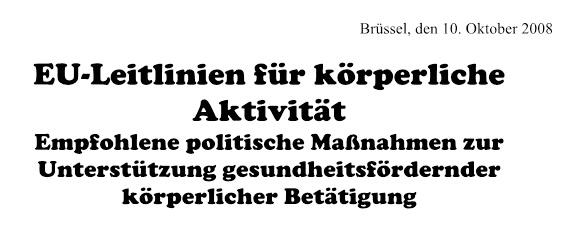
Here, the following still applied: Physical activity is generally defined as “any bodily movement that involves muscle contraction and consumes more energy than at rest.”
WE KNOW BETTER TODAY!
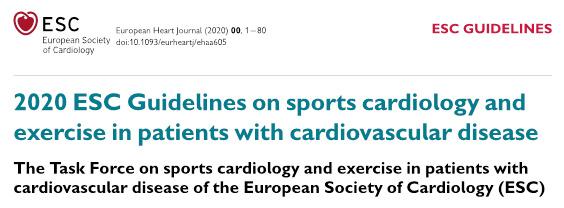
For this reason, detailed guidelines covering various specialist disciplines were drawn up for the first time in 2020 in order to flesh out the general recommendations.
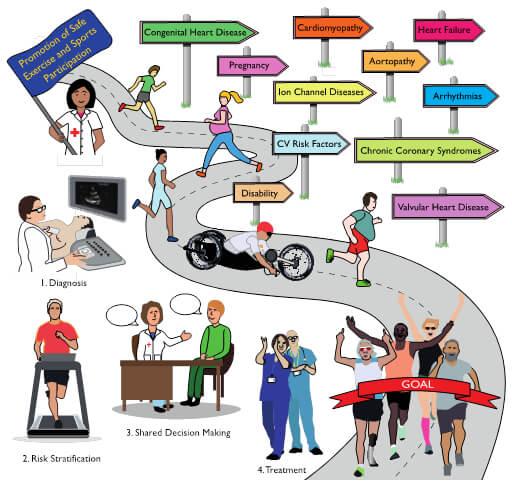
Exercise is therefore recommended as a countermeasure to the still widespread physical inactivity that promotes the well-known “diseases of affluence” such as obesity, high blood pressure, diabetes mellitus, and arteriosclerosis.
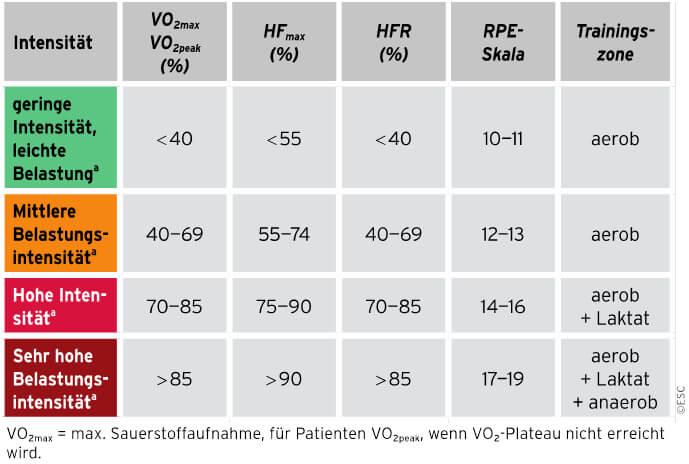
For many illnesses, there are now good recommendations for performing specific sports with the right effect. One important factor to consider, for example, is your heart rate during exercise. Other parameters can also be used to determine the right intensity levels, but these are not always easy to determine.
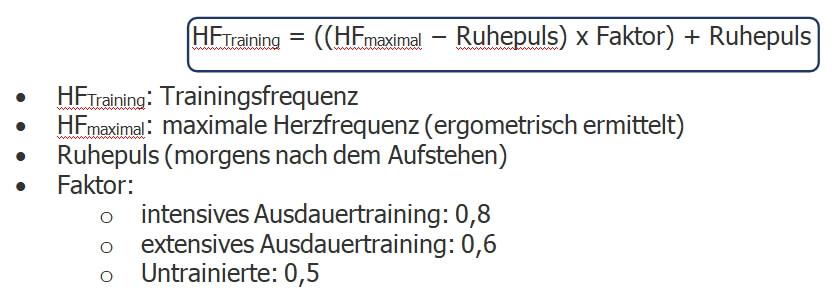
Approximately, you can also calculate your heart rate using the Karvonen formula:
In our practice, we can recommend optimal training ranges by determining the aerobic/anaerobic threshold using stress echocardiography with lactate measurements.
Aerobic exercise refers to an activity performed at a certain intensity that allows stored energy to be metabolized mainly through aerobic glycolysis and involves large muscle groups performing dynamic activities. Examples of aerobic exercise include cycling, running, and swimming at low to moderate intensity.
Sports in terms of the predominant component (skill, strength, mixed, and endurance) and the intensity of the exertion
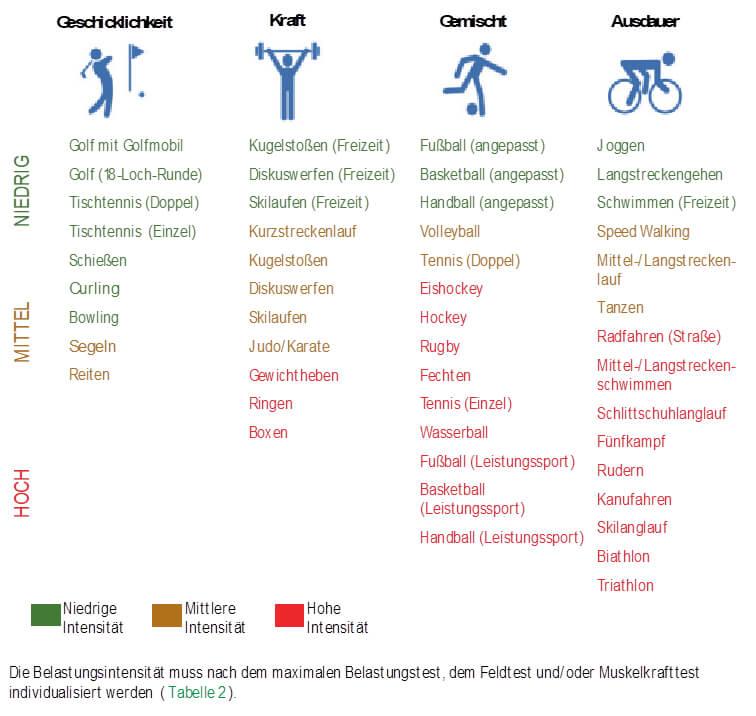
2020 ESC Guidelines on sports cardiology and exercise in patients with cardiovascular disease
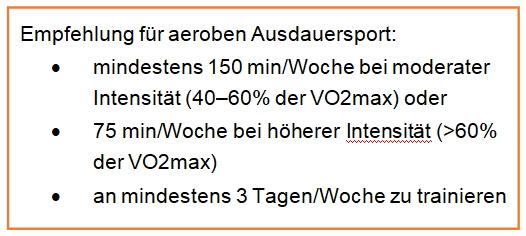
General recommendations for strength and endurance sports
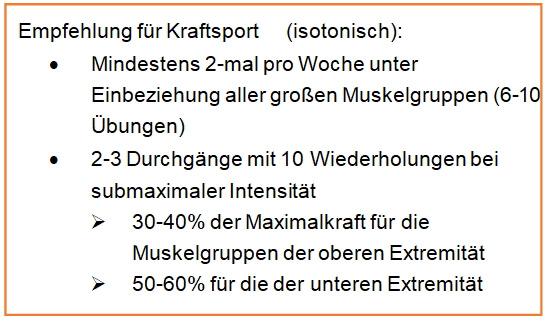
However, the basis for efficient training is a customized training plan for individual endurance, strength, and coordination, tailored to age, physical capacity, existing comorbidities/risk factors, medication, and individual motivation.
Exercise with heart disease and chronic “internal” diseases
Even in cases of heart disease (after a heart attack, cardiac arrhythmia, or even heart failure), individual and regular physical activity is highly recommended. However, training must be supervised by a specialist, as too little exercise will not produce the desired effect. On the other hand, too much exercise can endanger your health.
This can have many benefits for the heart: • Improvement of heart muscle function (tension and relaxation of the heart muscle) • Increased elasticity of the coronary arteries • More efficient heart function (increased utilization of oxygen demand) • Reduction of secondary diseases or worsening of the disease • Increased resilience
Influence on other risk factors of the cardiovascular system
• Lowering blood pressure
• Weight reduction
• Reduction of relevant fat values
• Improved insulin response
• Lowering blood sugar levels in diabetes (caution when taking antidiabetic drugs)
Exercise and cancer
Many studies show that exercise also plays an important role in the prevention and treatment of cancer. Here too, studies have shown that individually tailored physical training has a positive effect on reducing the risk of cancer.
In addition, symptoms of chemotherapy or radiation therapy can be reduced and the healing rate improved. A key point is the improvement in quality of life and thus the improvement in prognosis.
“Training as a treatment measure should be handled in a similar way to pharmacotherapy: too little has no effect and too much is harmful.”
Knipping (1961)